Inflation and Impulse Buying: New Consumer Strategies

Inflation has become a dominant force in shaping household budgets and purchasing habits. As prices rise across essential and discretionary categories, many shoppers are re-evaluating how they approach everyday spending. The era of spontaneous purchases, often driven by emotional triggers or in-store promotions, is giving way to more deliberate and calculated decision-making. Economic studies and market reports indicate a notable shift in consumer behaviour, particularly in the United Kingdom, where the cost of living has become a central concern for many families.
This article explores the relationship between inflation and impulse buying, drawing on recent data and analysis. It examines how rising prices influence planning, budgeting, and the overall shopping experience. By understanding these trends, retailers and consumers alike can better navigate the current economic landscape, balancing necessity with occasional treats without compromising financial stability.
Understanding the Link Between Inflation and Consumer Spending
Inflation, defined as the sustained increase in the general price level of goods and services, erodes purchasing power over time. When prices climb, consumers face a dual challenge: maintaining their standard of living while managing tighter budgets. Economic theory suggests that as inflation rises, consumers become more price-sensitive and tend to reduce discretionary spending. This is evident in recent UK market reports, which show a decline in non-essential purchases and a preference for value-oriented options.
Impulse buying, on the other hand, is characterised by unplanned and spontaneous purchase decisions. Traditionally, it has been influenced by factors such as mood, store environment, and promotional offers. However, during periods of high inflation, the propensity to engage in such behaviour diminishes. Studies indicate that consumers are more likely to postpone purchases, compare prices across retailers, and seek out discounts or alternatives. This shift underscores a broader movement towards cautious spending, where every purchase is weighed against its necessity and long-term value.
Planning Strategies Adopted by UK Households
As inflation persists, UK households are adopting various planning strategies to mitigate its impact. One common approach is the creation of detailed shopping lists, which serve as a guide to intended purchases and reduce the likelihood of straying from the plan. This practice, supported by behavioural economics, helps consumers stay focused and avoid the temptation of unplanned items. Additionally, many are turning to meal planning and bulk buying for non-perishable goods, allowing them to take advantage of economies of scale while ensuring their budgets are used effectively.
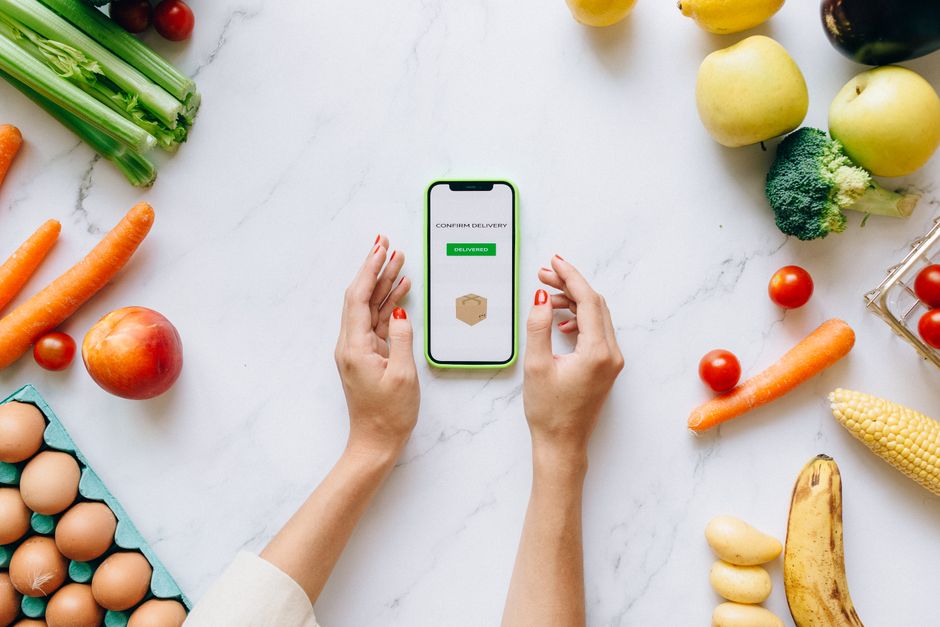
Budgeting apps and price comparison tools have also gained traction, enabling consumers to track spending and identify the best deals. These digital solutions provide transparency and control, reinforcing the notion that informed decisions are more aligned with financial goals. Furthermore, some shoppers are adopting a ‘wait and see’ approach, delaying non-essential purchases until prices stabilise or discounts become available. This patience reflects a strategic mindset, prioritising long-term savings over immediate gratification.
Changes in In-Store Behaviour and Promotional Response
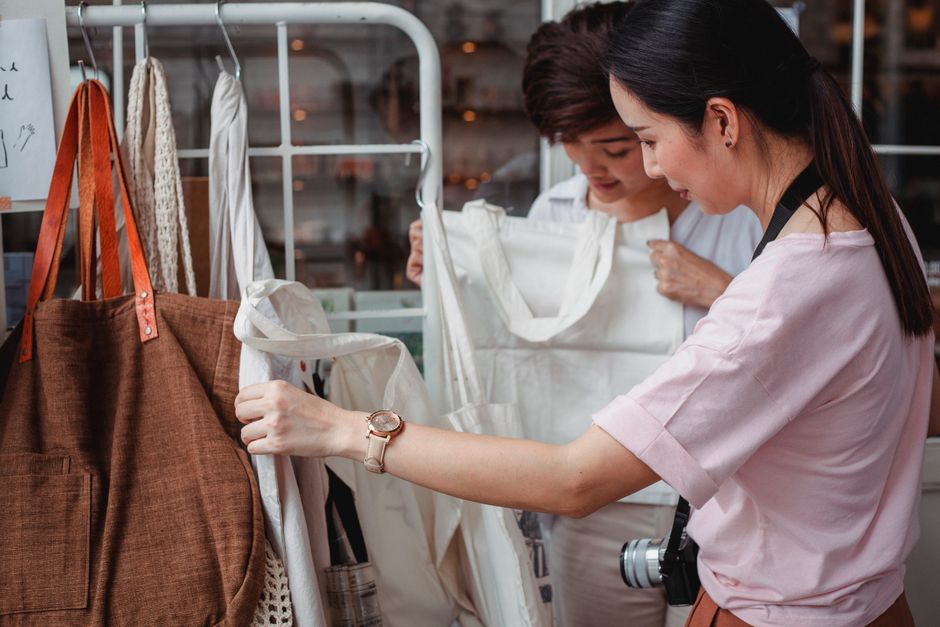
The retail environment has observed a noticeable change in how consumers navigate stores. With a greater emphasis on planned purchases, shoppers are less susceptible to the allure of end-of-aisle displays or point-of-sale promotions. Market reports indicate that while promotions still influence demand, their effectiveness has waned in the context of high inflation. Consumers are more likely to perceive promotions with scepticism, often comparing unit prices to ensure genuine value.
Retailers are adapting by enhancing price transparency and offering value-based bundles. For instance, some supermarkets have introduced ‘budget ranges’ or ‘price-lock’ initiatives to build trust and retain customer loyalty. These measures acknowledge the changing priorities of consumers who are increasingly focused on essentials and functional items. In this climate, impulse purchases are often limited to small indulgences that fit within predetermined budgets, such as a favourite snack or a magazine, rather than high-ticket items.
According to a recent study by the Office for National Statistics, over 60% of UK consumers have changed their shopping habits as a result of inflation, with a significant majority reporting that they now plan their grocery shopping more carefully than they did a year ago.
Long-Term Implications for Retailers and Consumers
The trend towards planned purchasing is likely to persist even if inflation moderates, as it fosters a habit of mindful consumption. For retailers, this means that traditional strategies designed to trigger impulse buys may need to be re-evaluated. Instead, focusing on clear pricing, value, and product information could be more effective in attracting and retaining customers. Moreover, building an omnichannel experience that supports pre-shopping research, such as online catalogues and detailed product descriptions, aligns with the deliberate approach of today’s shopper.
For consumers, developing robust planning skills can lead to greater financial resilience, enabling them to weather economic uncertainties with confidence. It also encourages a more sustainable consumption pattern, reducing waste and overbuying. As the market evolves, the interplay between inflation and consumer behaviour will continue to shape retail strategies, but the core principle remains: informed decisions are the cornerstone of successful budgeting.
In summary, inflation has catalysed a significant transformation in consumer behaviour, moving the focus from spontaneous purchases to considered planning. By understanding these shifts, both retailers and shoppers can adapt to a landscape where value and intentionality take precedence.